
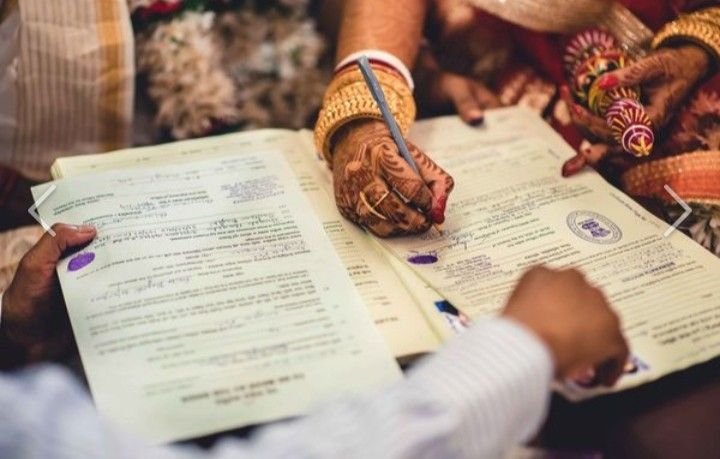
Marriage registration is an important legal process that provides official recognition of a marriage under Indian law. Whether your marriage was solemnized through traditional ceremonies or you plan to register it through a court marriage, obtaining a marriage certificate protects the legal rights of both spouses and serves as valid proof of marriage for numerous official purposes.
If you are looking for marriage registration in Patiala House Court, Delhi, understanding the legal procedure, eligibility requirements, documentation and applicable laws can make the process significantly smoother. This comprehensive guide explains everything you need to know before applying for marriage registration.
What is Marriage Registration?
Marriage registration is the legal recording of a marriage by the competent government authority. After successful registration, the couple receives an official marriage certificate issued by the concerned authority.
A marriage certificate is often required for:
- Passport applications
- Visa and immigration purposes
- Joint bank accounts
- Insurance nominations
- Property transactions
- Spouse visa applications
- Name change after marriage
- Government documentation
- Social security and pension claims
Apart from serving as proof of marriage, registration helps safeguard the legal rights of both husband and wife.
Laws Governing Marriage Registration in Delhi
Marriage registration in Delhi is generally carried out under the following legislations:
The Hindu Marriage Act, 1955
This Act applies to marriages where both spouses are Hindus, Buddhists, Jains or Sikhs and have already solemnized their marriage according to religious customs.
The Special Marriage Act, 1954
This law applies to:
- Interfaith marriages
- Inter-caste marriages
- Civil marriages
- Couples choosing court marriage without religious ceremonies
The applicable law depends upon the nature of the marriage and the religion of the parties.
Why Register Your Marriage?
Marriage registration provides several legal and practical advantages.
Legal Recognition
A registered marriage receives official recognition by government authorities.
Strong Documentary Evidence
The marriage certificate serves as reliable legal proof whenever required.
International Acceptance
Most foreign embassies require a registered marriage certificate for spouse visas and immigration.
Protection of Legal Rights
Registration helps establish rights relating to inheritance, maintenance, succession, insurance claims and other matrimonial matters.
Easier Administrative Processes
Many government and private institutions require a marriage certificate for updating records.
Eligibility for Marriage Registration
Generally, the following eligibility conditions must be fulfilled:
- Both parties should be legally competent to marry.
- Neither spouse should have a living spouse at the time of marriage.
- The marriage should comply with applicable legal provisions.
- Both parties should satisfy the minimum legal age requirements.
- The marriage should not fall within prohibited degrees of relationship unless permitted by applicable personal law.
Additional conditions may apply depending on whether registration is sought under the Hindu Marriage Act or the Special Marriage Act.
Documents Required for Marriage Registration
Although documentation requirements may vary depending on individual circumstances, commonly required documents include:
Identity Proof
- Aadhaar Card
- Passport
- Voter ID
- Driving Licence
- PAN Card (where applicable)
Address Proof
- Aadhaar Card
- Passport
- Utility Bills
- Rent Agreement
- Bank Passbook
Age Proof
- Birth Certificate
- Passport
- School Leaving Certificate
- Class 10 Certificate
Marriage Proof
- Marriage invitation card
- Wedding photographs
- Marriage affidavit
- Certificate issued by religious authority (where applicable)
Passport Size Photographs
Recent passport-size photographs of both spouses.
Witness Documents
Identity proof, address proof and photographs of witnesses.
Depending upon the facts of each case, additional documentation may be required by the concerned authority.
Marriage Registration Procedure in Patiala House Court, Delhi
The registration process generally involves the following steps:
Step 1: Legal Consultation
An experienced legal professional reviews your case and determines the applicable law for registration.
Step 2: Document Verification
All supporting documents are examined to ensure compliance with legal requirements.
Step 3: Preparation of Application
The prescribed application form and supporting affidavits are prepared accurately.
Step 4: Submission Before Competent Authority
The application is submitted before the appropriate authority having jurisdiction.
Step 5: Verification Process
Officials verify the documents, identity of the parties and other statutory requirements.
Step 6: Appearance of Parties
Both spouses and the required witnesses may be required to appear before the competent authority.
Step 7: Issuance of Marriage Certificate
Upon successful verification and completion of formalities, the marriage certificate is issued.
Common Reasons for Delay
Applications may be delayed due to:
- Incomplete documentation
- Incorrect personal details
- Address proof issues
- Missing witness documents
- Errors in affidavits
- Mismatch in names across documents
- Jurisdiction-related issues
Proper legal guidance helps minimize avoidable delays.
Importance of Accurate Documentation
Small mistakes in documentation can lead to unnecessary complications. Common errors include:
- Different spellings of names
- Incorrect dates of birth
- Address mismatches
- Missing signatures
- Expired identity documents
Ensuring consistency across all documents improves the likelihood of a smooth registration process.
Can NRI Couples Register Their Marriage?
Yes. Subject to applicable legal requirements and jurisdiction, Non-Resident Indians (NRIs) may register their marriage in Delhi if the necessary legal conditions are fulfilled.
Additional documents such as passports, visas, overseas residence proof and other supporting records may be required depending on the circumstances.
How Long Does Marriage Registration Take?
The time required depends on several factors, including:
- Applicable law
- Completeness of documentation
- Verification process
- Administrative workload
- Nature of the marriage
Each case is unique and timelines may vary based on the facts and applicable legal requirements.
Why Professional Legal Assistance Matters
Marriage registration involves statutory compliance, documentation, verification and procedural formalities. Professional legal assistance can help by:
- Identifying the applicable legal provisions
- Preparing accurate documentation
- Reviewing affidavits
- Ensuring compliance with procedural requirements
- Reducing the chances of objections due to documentation errors
Experienced legal guidance can simplify the overall process while helping applicants comply with applicable legal requirements.
Why Choose Sharma and Company?
When seeking assistance for Marriage Registration in Patiala House Court, Delhi, choosing an experienced legal team can make the process more efficient.
Sharma and Company assists clients with:
- Marriage registration guidance
- Court marriage assistance
- Documentation review
- Affidavit preparation
- Legal consultation
- Procedural support
- Assistance with applicable legal formalities
Every matter is handled according to the specific facts of the case and the applicable legal provisions.
Frequently Asked Questions
Is marriage registration mandatory in Delhi?
Registration is widely recommended as it provides official legal proof of marriage and facilitates various administrative and legal processes.
Can marriage registration be completed after several years of marriage?
Yes. Subject to the applicable legal requirements and supporting documentation, marriages can generally be registered even after several years.
Are witnesses required?
Yes. The competent authority may require witnesses as prescribed under the applicable legal provisions.
Can interfaith couples register their marriage?
Yes. Depending on the circumstances, interfaith marriages may be governed by the Special Marriage Act, 1954.
What if there is a spelling mistake in my documents?
The discrepancy should generally be corrected before or during the registration process, depending on the nature of the error and the applicable requirements.
Conclusion
Marriage registration is an essential legal step that provides official recognition of your marital status and supports numerous legal, financial and administrative requirements. Whether your marriage was solemnized through traditional customs or you are opting for a legal marriage process, ensuring compliance with the applicable law and maintaining accurate documentation is crucial.
If you require professional assistance for Marriage Registration in Patiala House Court, Delhi, Sharma and Company provides legal guidance and procedural support to help clients navigate the registration process efficiently while complying with applicable legal requirements.