
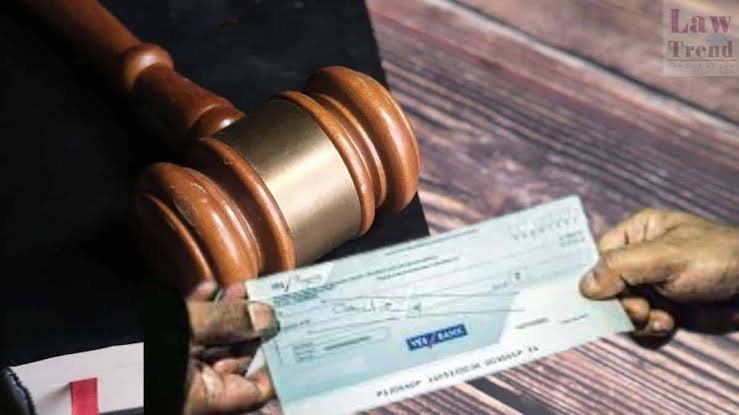
A cheque bounce case can create serious financial, legal and business complications for individuals, startups, business owners and companies. Whether you are a creditor whose cheque has been dishonoured or a person facing legal proceedings under Section 138 of the Negotiable Instruments Act, understanding your rights and obligations is essential.
If you are looking for assistance with a Cheque Bounce Case Lawyer in Tis Hazari Court & Patiala House Courts, timely legal action can significantly improve your chances of recovery and compliance. With increasing commercial transactions and post-dated cheque usage in India, cheque dishonour disputes remain one of the most common legal matters handled by courts.
Businesses and individuals operating in Delhi frequently approach courts such as Tis Hazari Courts and Patiala House Courts for cheque bounce litigation, recovery proceedings and related legal remedies.
Key Takeaways
- Cheque bounce cases are primarily governed by Section 138 of the Negotiable Instruments Act, 1881.
- A legal demand notice must generally be issued within the prescribed statutory timeline after cheque dishonour.
- Failure to comply with notice requirements can affect the maintainability of a case.
- Businesses should maintain proper documentation to strengthen recovery claims.
- Early legal consultation helps both complainants and accused parties protect their interests.
- Proper accounting and tax documentation often play an important role in cheque bounce litigation.
Understanding Cheque Bounce Cases in India
What Is a Cheque Bounce Case?
A cheque bounce occurs when a bank refuses to honour a cheque presented for payment. The cheque is returned unpaid along with a return memo specifying the reason for dishonour.
Common reasons include:
- Insufficient funds
- Account closed
- Payment stopped by drawer
- Signature mismatch
- Exceeds arrangement
- Technical banking issues
When the dishonour falls within the scope of Section 138 of the Negotiable Instruments Act, criminal proceedings may be initiated against the drawer of the cheque.
What Is Section 138 of the Negotiable Instruments Act?
Key Legal Provision
Section 138 provides a legal remedy when a cheque issued towards a legally enforceable debt or liability is dishonoured.
For a successful case, certain conditions generally need to be satisfied:
- The cheque must have been issued for a legally enforceable debt or liability.
- The cheque should be presented within its validity period.
- The bank should return the cheque unpaid.
- A statutory legal notice should be issued within the prescribed period.
- The drawer should fail to make payment within the legally specified period after receiving notice.
Failure to comply may result in criminal prosecution and other legal consequences.
Why Businesses Commonly Face Cheque Bounce Issues
Small Businesses and Startups
Many startups accept post-dated cheques from clients, distributors or customers. When such cheques bounce, cash flow gets disrupted.
Example
A Delhi-based startup supplies goods worth ₹5 lakh to a customer and receives a post-dated cheque. The cheque is dishonoured due to insufficient funds. The startup may initiate legal proceedings after complying with statutory requirements.
Traders and MSMEs
MSMEs often depend on cheque payments from dealers and customers. Delayed recovery can affect:
- Working capital
- Vendor payments
- GST compliance
- Business expansion plans
Prompt legal action helps improve recovery prospects.
Individuals and Professionals
Cheque bounce disputes are not limited to businesses.
Common situations include:
- Personal loans
- Property transactions
- Security deposits
- Professional service payments
- Partnership disputes
Jurisdiction of Tis Hazari Court and Patiala House Courts
Cases Filed in Tis Hazari Courts
Tis Hazari Courts is one of Delhi’s major district court complexes handling various civil and criminal matters, including cheque dishonour complaints falling within its territorial jurisdiction.
Businesses operating in Central, West, North and nearby districts often encounter proceedings here depending on jurisdictional factors.
Cases Filed in Patiala House Courts
Patiala House Courts handles a significant number of commercial and criminal matters, including cheque bounce litigation.
Jurisdiction typically depends upon factors such as:
- Bank branch location
- Place of transaction
- Residence or business location of parties
- Applicable legal provisions
A legal professional can evaluate the correct forum before filing.
Step-by-Step Process for Filing a Cheque Bounce Case
Step 1: Obtain Bank Return Memo
After dishonour, the bank issues a return memo mentioning the reason for non-payment.
Keep original records safely.
Step 2: Issue Legal Demand Notice
A properly drafted legal notice is critical.
The notice generally contains:
- Cheque details
- Amount involved
- Date of dishonour
- Demand for payment
- Legal consequences of non-payment
Errors in the notice can create complications during litigation.
Step 3: Wait for Statutory Compliance Period
The drawer is given an opportunity to make payment after receiving the notice.
Many disputes are settled during this stage without litigation.
Step 4: File Complaint Before Appropriate Court
If payment is not received, a complaint may be filed before the competent court having jurisdiction.
Supporting documents usually include:
- Original cheque
- Return memo
- Legal notice
- Postal proof
- Transaction documents
- Invoices or agreements
Step 5: Court Proceedings
The court may:
- Examine documents
- Issue summons
- Record evidence
- Hear arguments
- Pass judgment
Depending on facts and circumstances, settlement opportunities may arise during proceedings.
Documents Required for a Cheque Bounce Case
The following documents are commonly required:
For Complainant
- Original cheque
- Bank return memo
- Legal notice copy
- Postal receipts
- Delivery proof
- Ledger accounts
- Invoices
- Agreements
- GST records
- Identity proof
For Accused
- Bank statements
- Communication records
- Loan or transaction documents
- Settlement agreements
- Defence evidence
Proper documentation significantly improves case strength.
Tax and Accounting Perspective of Cheque Bounce Cases
As Chartered Accountants, we often see businesses overlook the accounting implications of cheque dishonour.
Impact on Books of Accounts
Businesses should:
- Record receivables correctly
- Reconcile bounced payments
- Maintain debtor ledgers
- Preserve supporting documents
GST Considerations
Where invoices have already been issued:
- GST liability may arise irrespective of actual payment receipt.
- Proper accounting records become essential.
- Businesses should evaluate recovery options and documentation requirements.
Audit and Compliance Importance
Auditors frequently examine:
- Outstanding debtors
- Recovery disputes
- Legal notices
- Contingent liabilities
Poor record keeping can weaken both legal and financial positions.
Benefits of Hiring a Cheque Bounce Lawyer
Accurate Legal Strategy
Every cheque bounce matter involves unique facts.
Professional assistance helps in:
- Jurisdiction analysis
- Notice drafting
- Documentation review
- Court representation
Stronger Documentation
Many cases fail because of missing evidence rather than weak claims.
A legal professional helps organize:
- Contracts
- Invoices
- Payment records
- Communication trails
Faster Resolution
Early action often increases the likelihood of:
- Settlement
- Mediation
- Recovery
- Cost savings
Common Mistakes in Cheque Bounce Cases
Ignoring Statutory Timelines
Missing legal deadlines can jeopardize recovery rights.
Improper Legal Notice
Generic or defective notices often create procedural challenges.
Lack of Documentary Evidence
Businesses frequently fail to preserve:
- Invoices
- Purchase orders
- Payment acknowledgements
- GST records
Delayed Legal Action
Waiting too long may weaken negotiation leverage and legal options.
Poor Accounting Records
Improper bookkeeping makes it difficult to establish outstanding liability.
Expert Insights from a Chartered Accountant’s Perspective
After advising businesses and taxpayers for over two decades, certain practical lessons consistently emerge:
Maintain Complete Transaction Records
Every payment should be supported by:
- Invoice
- Agreement
- Delivery proof
- Ledger entry
Conduct Customer Due Diligence
Before accepting high-value cheques:
- Verify business credentials
- Check payment history
- Review financial standing
Reconcile Accounts Regularly
Monthly debtor reconciliation helps identify risks before disputes escalate.
Integrate Legal and Financial Documentation
Strong cases typically have:
- Proper accounting records
- GST compliance
- Signed agreements
- Payment correspondence
The combination of legal and financial evidence significantly strengthens recovery proceedings.
Frequently Asked Questions (FAQs)
1. What happens if a cheque bounces due to insufficient funds?
The payee may initiate legal proceedings under Section 138 of the Negotiable Instruments Act after following the prescribed legal process and notice requirements.
2. Is cheque bounce a criminal offence in India?
Cheque dishonour under Section 138 may result in criminal proceedings when statutory conditions are satisfied.
3. Which court handles cheque bounce cases in Delhi?
Depending on jurisdiction and relevant legal factors, matters may be heard in courts such as Tis Hazari Courts or Patiala House Courts.
4. Can a company file a cheque bounce case?
Yes. Companies, LLPs, partnerships, proprietorships and individuals can initiate legal action for cheque dishonour subject to applicable laws.
5. Can cheque bounce disputes be settled outside court?
Yes. Many disputes are resolved through negotiation, settlement, mediation, or payment arrangements.
6. What documents are essential for filing a case?
Key documents include the cheque, return memo, legal notice, delivery proof, invoices, agreements and transaction records.
7. Does GST documentation help in cheque bounce cases?
Yes. GST invoices, returns and accounting records may support the existence of an underlying transaction.
8. Why should businesses maintain proper accounting records?
Accurate books of accounts help establish outstanding liability, strengthen recovery claims and support legal proceedings.
Conclusion
A Cheque Bounce Case Lawyer in Tis Hazari Court & Patiala House Courts can play a crucial role in protecting your financial interests and ensuring compliance with legal procedures under Section 138 of the Negotiable Instruments Act.
Whether you are a business owner, startup, salaried individual, professional, or taxpayer, timely legal action combined with proper accounting records can significantly improve your chances of successful recovery or defence. Maintaining accurate documentation, complying with statutory timelines and seeking professional guidance are the foundations of a strong cheque bounce case.
Need professional assistance with a cheque bounce matter in Tis Hazari Court or Patiala House Courts? Consult experienced legal and financial professionals to evaluate your case, protect your rights and take the appropriate legal action without delay.