
Dowry Death Cases in Patiala House Courts, New Delhi: Legal Rights, Punishment, and How a Lawyer Can Help
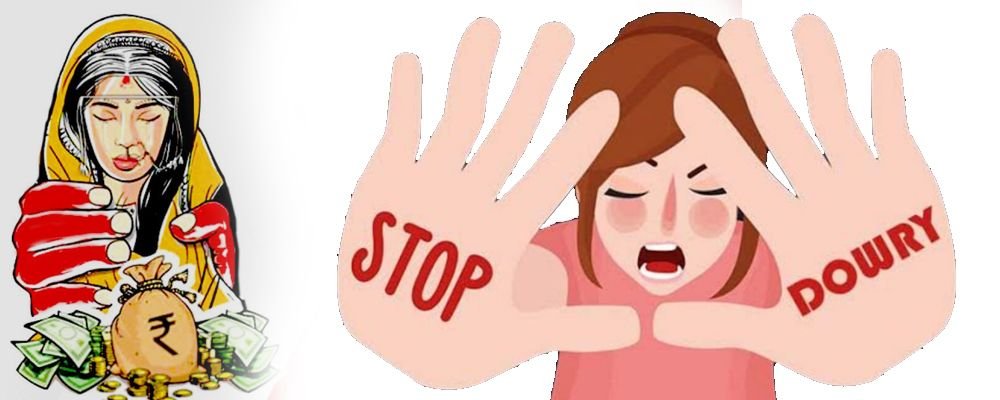
Dowry death is one of the most serious criminal offences under Indian law. Despite strict legal provisions, cases involving dowry harassment and the death of a married woman continue to be reported across the country. These matters require prompt legal action, proper investigation and experienced legal representation to ensure justice is served. If a dowry […]
Anticipatory Bail vs Regular Bail: Key Legal Differences You Must Know

In the Indian criminal justice system, bail plays a crucial role in protecting the personal liberty of individuals accused of offences. Many people often confuse anticipatory bail with regular bail, but both legal remedies serve different purposes and are applicable under different circumstances. Understanding the distinction between these two forms of bail is essential for […]
Cheque Bounce Due to Insufficient Funds: Legal Consequences Explained

A cheque bounce due to insufficient funds is one of the most common financial disputes faced by individuals, businesses, traders, and companies in India. When a cheque issued by a person or organization is dishonoured by the bank because the account does not contain adequate balance, it can lead to serious legal and financial consequences […]
Dowry Harassment & Death Cases: Expert Legal Analysis and Rights of Victims
Dowry-related crimes remain a serious concern in India despite strict legal provisions aimed at eradicating the practice. Dowry harassment and dowry death cases not only violate legal norms but also deeply impact families and society at large. Understanding the legal framework, rights of victims, and remedies available is essential for ensuring justice and preventing misuse […]
Cheque Bounce
Cheque Bounce Cases in India: Legal Remedies Under the NI Act Cheque bounce cases are among the most common financial disputes in India, governed primarily by Section 138 of the Negotiable Instruments Act, 1881 (NI Act). The law was enacted to promote trust in commercial transactions and ensure financial discipline. When a cheque is dishonoured […]
Bail Matters
Bail Matters in India: Protecting Personal Liberty Through Legal Expertise In India’s criminal justice system, bail is a vital safeguard of personal liberty, ensuring that an accused person is not unnecessarily deprived of freedom before conviction. The principle of “bail, not jail” reflects the constitutional mandate under Article 21 of the Indian Constitution, which guarantees […]