Cheque Bounce Under Section 138 NI Act: Everything You Need to Know
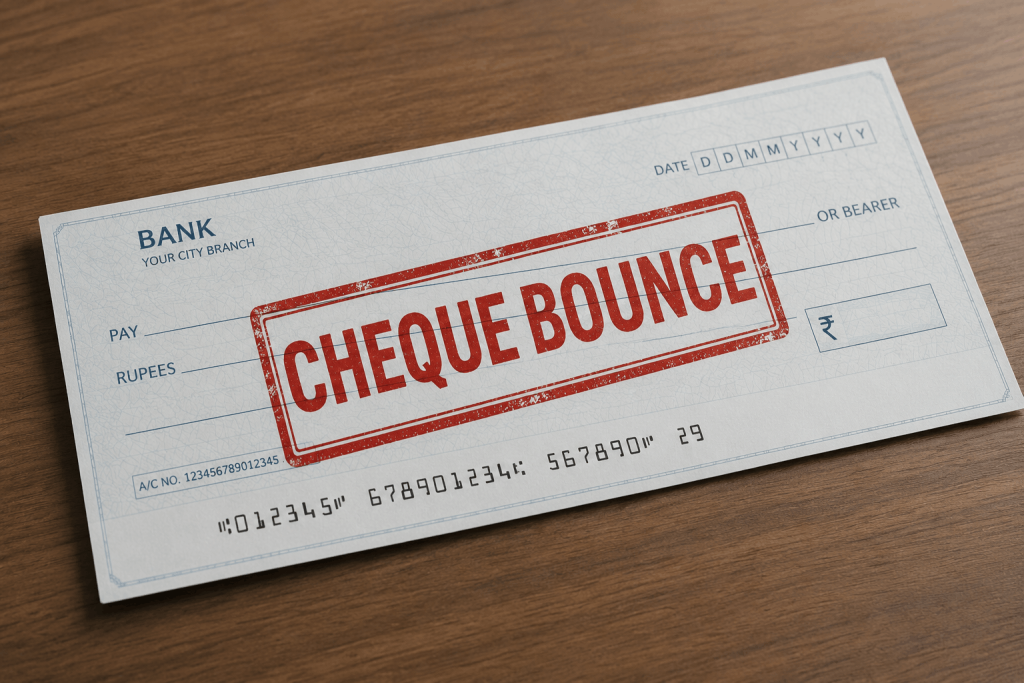
Cheque bounce cases are among the most common financial and legal disputes in India. Whether it is a business transaction, personal loan repayment, partnership dealing, or payment for services, a dishonoured cheque can create serious financial complications for both parties. To protect the credibility of cheque transactions and maintain trust in the banking system, the […]
Cheque Bounce Due to Insufficient Funds: Legal Consequences Explained
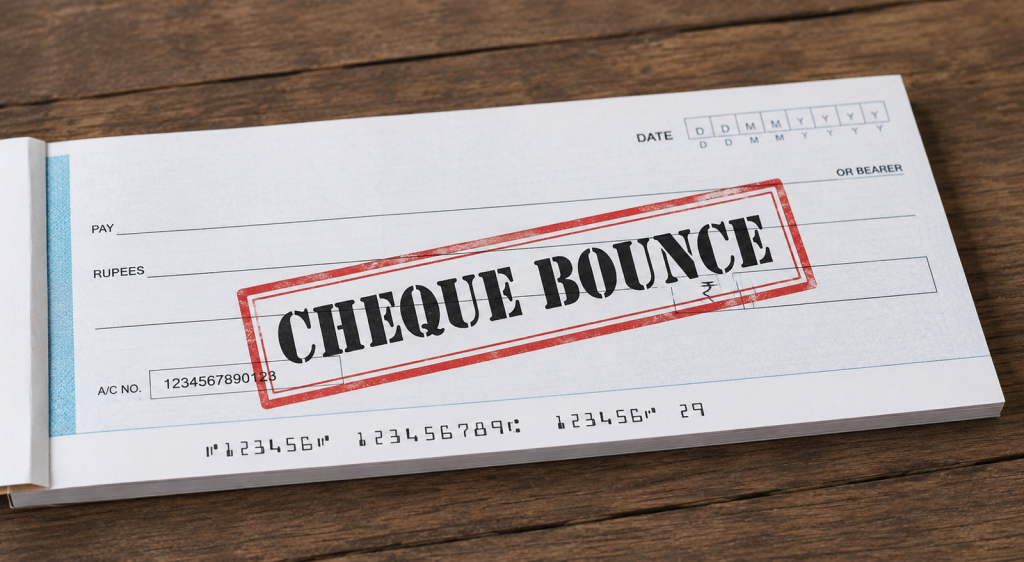
A cheque bounce due to insufficient funds is one of the most common financial disputes faced by individuals, businesses, traders, and companies in India. When a cheque issued by a person or organization is dishonoured by the bank because the account does not contain adequate balance, it can lead to serious legal and financial consequences […]
Cheque Bounce
Cheque Bounce Cases in India: Legal Remedies Under the NI Act Cheque bounce cases are among the most common financial disputes in India, governed primarily by Section 138 of the Negotiable Instruments Act, 1881 (NI Act). The law was enacted to promote trust in commercial transactions and ensure financial discipline. When a cheque is dishonoured […]
Cheque Bounce Lawyer in Delhi
A cheque bounce, also known as dishonor of a cheque, occurs when a bank refuses to honor a cheque due to insufficient funds, mismatched signatures, overwriting, or other banking issues. This is a serious financial offense and can lead to legal consequences under the Negotiable Instruments Act, 1881, particularly Section 138. Legal Framework for Cheque […]