
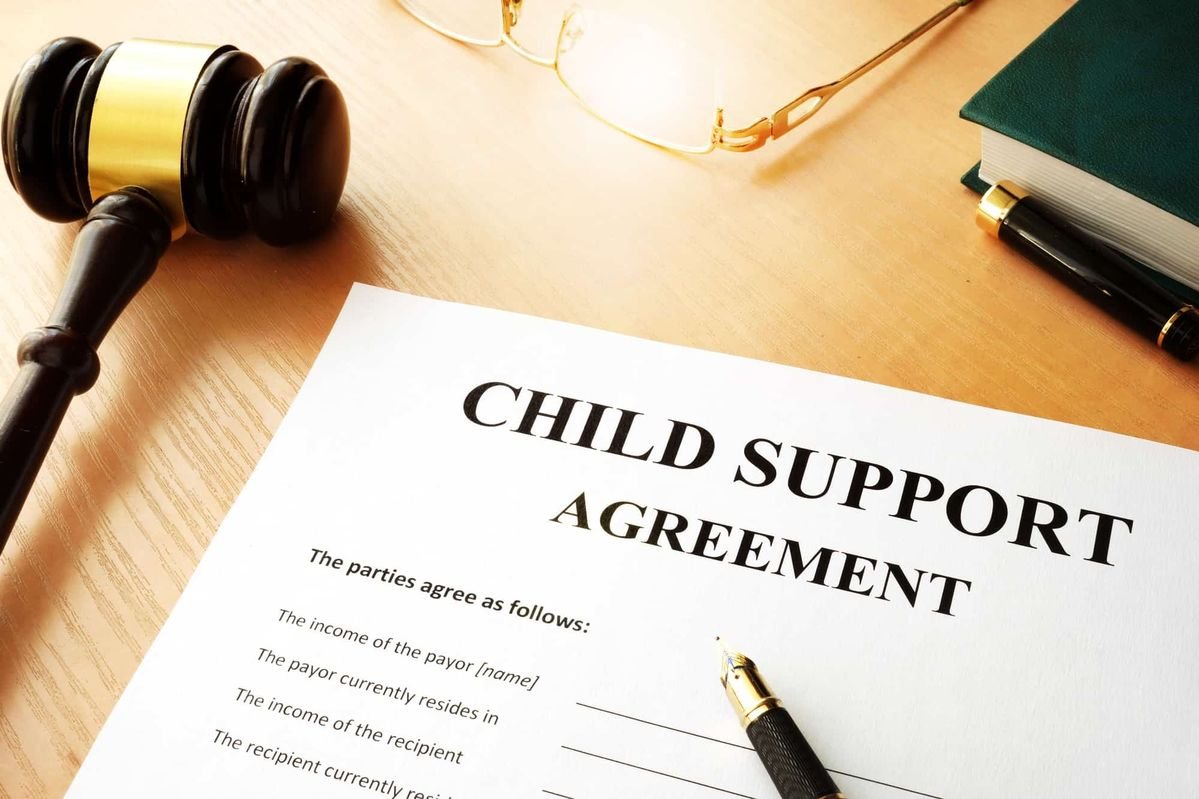
When a marriage or relationship breaks down, one of the most emotionally challenging issues is deciding who will care for the child and how the child’s financial needs will be met. Child custody and maintenance disputes require a balanced legal approach that protects the child’s welfare while safeguarding the rights of both parents.
If you are dealing with a child custody or maintenance matter, seeking legal assistance from an experienced Child Custody & Maintenance Lawyer in Patiala House Courts, New Delhi can help you understand your rights, navigate court procedures, and pursue the best possible outcome for your family.
At Sharma & Company, we provide professional legal representation in child custody, child maintenance, interim maintenance, visitation rights, guardianship matters, and related family disputes before the Patiala House Courts, New Delhi.
Understanding Child Custody Under Indian Law
Child custody refers to the legal responsibility for raising, caring for, and making important decisions regarding a child’s life after the separation or divorce of parents.
Indian courts prioritize the welfare and best interests of the child rather than simply deciding in favor of one parent.
Several laws govern child custody in India, including:
- Hindu Minority and Guardianship Act, 1956
- Guardians and Wards Act, 1890
- Hindu Marriage Act, 1955
- Special Marriage Act, 1954
- Personal laws applicable to different religions
Every custody case is decided based on its unique facts, considering the child’s emotional, educational, physical, and psychological well-being.
Types of Child Custody in India
Physical Custody
The child primarily resides with one parent, while the other parent is granted visitation rights or scheduled parenting time.
Joint Custody
Both parents actively participate in raising the child, even if the child alternates between residences according to a court-approved arrangement.
Legal Custody
Legal custody gives one or both parents the authority to make significant decisions regarding the child’s:
- Education
- Healthcare
- Religious upbringing
- General welfare
Third-Party Custody
In exceptional situations where neither parent is considered suitable, the court may award custody to grandparents or another close relative.
What Is Child Maintenance?
Child maintenance refers to the financial support provided for a child’s upbringing after parents separate or divorce.
The amount generally covers expenses such as:
- Education fees
- Medical treatment
- Food
- Clothing
- Housing
- Daily living expenses
- Extracurricular activities
- Future educational requirements
Maintenance is intended to ensure that the child continues to receive adequate care and financial stability.
Who Can Claim Child Maintenance?
Depending on the applicable law and circumstances, maintenance may be claimed by:
- The custodial parent
- The child’s legal guardian
- The child through a guardian
- A parent acting on behalf of the minor child
Courts examine each matter individually before determining an appropriate maintenance amount.
Factors Considered by the Court in Child Custody Cases
Family courts carefully evaluate several factors before granting custody, including:
Age of the Child
Young children, particularly infants, may require different caregiving arrangements depending on their needs.
Welfare of the Child
The child’s overall welfare remains the highest priority in every custody decision.
Financial Stability
The court considers whether each parent can provide a secure and stable environment.
Emotional Bond
The relationship between the child and each parent is an important consideration.
Educational Needs
The court seeks to ensure continuity in the child’s education and overall development.
Safety and Well-Being
Any history of abuse, neglect, domestic violence, or substance abuse is taken seriously.
Child’s Preference
If the child is of sufficient maturity, the court may consider their preference while making its decision.
Factors Affecting Child Maintenance
Maintenance is not determined through a fixed formula. Courts typically evaluate:
- Income of both parents
- Financial responsibilities
- Standard of living enjoyed by the child
- Educational expenses
- Medical needs
- Lifestyle before separation
- Special needs of the child
- Number of dependents
Each case is decided based on the available evidence and applicable legal principles.
Visitation Rights
Even when one parent receives physical custody, the other parent often retains visitation rights unless restricted by the court.
Visitation arrangements may include:
- Weekend visits
- School holidays
- Festival celebrations
- Video calls
- Overnight stays
- Summer vacations
Well-structured visitation schedules help maintain meaningful relationships between children and both parents whenever appropriate.
Modification of Custody Orders
Circumstances may change after a custody order has been passed.
A parent may seek modification if there is:
- Relocation
- Change in employment
- Child’s educational needs
- Health concerns
- Change in financial condition
- Safety concerns affecting the child
Courts review whether modifying the order serves the child’s best interests.
Interim Custody and Interim Maintenance
Family disputes often take time to resolve. During the pendency of proceedings, courts may grant:
- Interim child custody
- Temporary visitation arrangements
- Interim child maintenance
- Interim educational expenses
- Interim medical support
These temporary orders help ensure that the child’s immediate needs are addressed while the case is ongoing.
Why Legal Representation Matters
Child custody and maintenance disputes involve both legal complexities and emotional challenges. Professional legal representation can assist with:
- Evaluating your legal position
- Preparing petitions and responses
- Collecting supporting documents
- Presenting evidence effectively
- Negotiating settlements where appropriate
- Representing you before the Family Court
- Seeking modification or enforcement of court orders
Proper legal guidance helps ensure that procedural requirements are met and that the child’s welfare remains central to the proceedings.
Child Custody Cases at Patiala House Courts, New Delhi
The Patiala House Courts, New Delhi, hear a wide range of family law matters, including child custody, guardianship, visitation, maintenance, and related matrimonial disputes, subject to jurisdiction.
Legal proceedings typically involve:
- Filing the appropriate petition
- Issuance of notice to the opposite party
- Submission of replies
- Mediation, where applicable
- Recording of evidence
- Final arguments
- Court order
The timeline depends on the complexity of the case, cooperation between parties, and the court’s schedule.
Documents Commonly Required
Depending on the facts of the case, documents may include:
- Identity proof
- Address proof
- Child’s birth certificate
- Marriage certificate
- Divorce petition or decree (if applicable)
- Income documents
- Salary slips
- Income Tax Returns
- School records
- Medical records
- Bank statements
- Expense details relating to the child
- Previous court orders, if any
An experienced lawyer can advise on the specific documentation required for your case.
Common Situations Where Legal Assistance Is Needed
Legal support may be beneficial in situations such as:
- Divorce involving minor children
- Child custody disputes
- Visitation disagreements
- Non-payment of child maintenance
- Modification of custody arrangements
- Guardianship issues
- International child custody matters
- Relocation disputes
- Enforcement of court orders
Early legal advice can help clarify your options and facilitate a structured approach to resolving family disputes.
Why Choose Sharma & Company?
At Sharma & Company, we understand that child custody and maintenance matters require both legal knowledge and a sensitive approach. Our team is committed to guiding clients through each stage of the legal process with professionalism and care.
Our legal services include:
- Child custody petitions
- Child maintenance claims
- Interim maintenance applications
- Guardianship matters
- Visitation rights
- Modification of custody orders
- Enforcement of maintenance orders
- Family court representation
- Legal consultation and case strategy
We focus on providing practical legal solutions while prioritizing the welfare of the child and protecting our clients’ legal interests.
Frequently Asked Questions
Can a father get child custody in India?
Yes. Indian courts do not automatically favor either parent. Custody decisions are based on the child’s best interests and the specific facts of each case.
Can maintenance be increased later?
Yes. A court may modify maintenance if there is a significant change in circumstances, such as increased educational expenses or changes in either parent’s financial condition.
Is mediation available in child custody disputes?
In many cases, courts encourage mediation to help parents reach mutually acceptable arrangements that serve the child’s welfare.
Can visitation rights be denied?
Visitation may be restricted or supervised if the court determines that unrestricted access would not be in the child’s best interests.
How long does a child custody case take?
The duration varies depending on the complexity of the case, court procedures, evidence, and whether the matter is resolved through settlement or contested proceedings.