
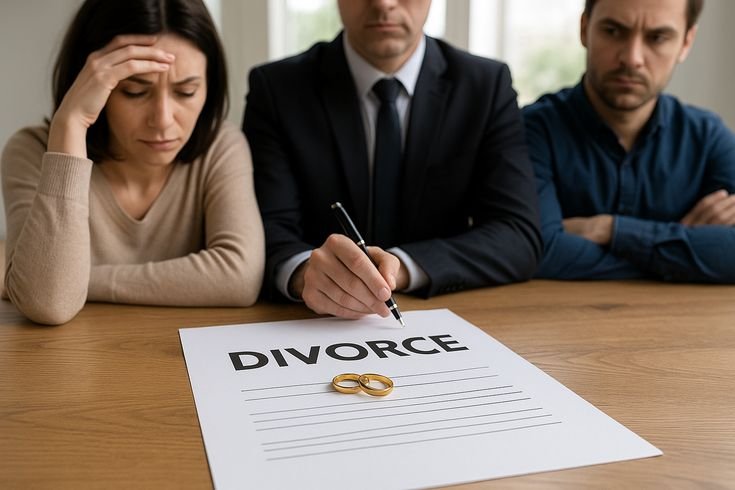
Divorce is one of the most significant legal decisions a person can make. Beyond ending a marriage, it involves important matters such as child custody, maintenance, alimony, property division and financial security. Understanding the legal process can help individuals make informed decisions while protecting their rights.
If you are considering filing for divorce in Patiala House Courts, New Delhi, obtaining guidance from an experienced divorce lawyer can simplify the legal process and reduce unnecessary delays. Professional legal representation ensures that every stage of your case complies with Indian family laws while safeguarding your interests.
This guide explains the divorce process, legal grounds, required documents, court procedures and the benefits of hiring an experienced divorce lawyer.
Understanding Divorce Under Indian Law
Divorce is the legal dissolution of a marriage through a competent court. Depending on the religion and personal law applicable to the spouses, divorce proceedings are governed by different statutes.
Some of the major laws include:
- Hindu Marriage Act, 1955
- Special Marriage Act, 1954
- Indian Divorce Act, 1869
- Muslim Personal Law
- Parsi Marriage and Divorce Act
Each law provides specific grounds and procedures for obtaining a divorce.
Types of Divorce in India
Mutual Consent Divorce
Mutual consent divorce is the quickest and least contentious method of ending a marriage. Both spouses agree that they cannot continue living together and mutually decide on issues such as:
- Child custody
- Alimony
- Maintenance
- Property distribution
- Financial settlements
This process generally involves fewer hearings and minimizes emotional stress.
Contested Divorce
A contested divorce arises when one spouse files for divorce without the consent of the other or when disputes exist regarding financial matters or child custody.
Such cases may require:
- Multiple hearings
- Evidence presentation
- Witness examination
- Cross-examination
- Final court judgment
An experienced divorce lawyer becomes especially important in contested matters.
Common Grounds for Divorce
Indian courts recognize several legal grounds for divorce, including:
Cruelty
Physical or mental cruelty affecting the spouse’s well-being.
Adultery
Voluntary sexual relationship outside marriage.
Desertion
Continuous abandonment without reasonable cause.
Conversion
Changing religion without the spouse’s consent in applicable cases.
Mental Disorder
Serious mental illness making marital life impossible.
Communicable Disease
Certain statutory provisions may apply depending on the governing personal law.
Renunciation
Voluntarily renouncing worldly life under applicable laws.
Presumption of Death
When a spouse has not been heard from for seven years or more.
Divorce Procedure in Patiala House Courts, New Delhi
Every divorce matter follows a structured legal procedure.
Step 1: Legal Consultation
A lawyer evaluates the facts, documents and legal options before initiating proceedings.
Step 2: Drafting the Petition
The divorce petition is prepared according to applicable legal provisions.
Step 3: Filing Before the Court
The petition is filed before the appropriate Family Court having jurisdiction.
Step 4: Notice to the Opposite Party
The court issues notice requiring the other spouse to appear.
Step 5: Evidence and Hearings
Both parties submit documents, evidence and witness testimony.
Step 6: Arguments
The lawyers present legal arguments supporting their client’s case.
Step 7: Court Judgment
The court passes the divorce decree after considering all evidence and applicable law.
Documents Required for Divorce
Commonly required documents include:
- Marriage certificate
- Wedding photographs
- Address proof
- Identity proof
- Passport-size photographs
- Income proof
- Bank statements
- Property documents
- Children’s birth certificates
- Evidence supporting divorce grounds
- Previous court orders (if any)
Additional documents may be required depending on the circumstances.
Child Custody During Divorce
When children are involved, the court primarily considers their welfare.
Custody may be:
- Sole custody
- Joint custody
- Shared parenting arrangements
- Visitation rights
Courts prioritize the child’s emotional, educational and financial well-being while deciding custody matters.
Alimony and Maintenance
Financial support after divorce depends upon various factors, including:
- Income of both spouses
- Standard of living
- Duration of marriage
- Educational qualifications
- Financial dependency
- Medical condition
- Child care responsibilities
Maintenance may be interim or permanent, depending on the court’s decision.
Property Division
Indian law does not automatically divide marital property equally. Ownership depends on:
- Property title
- Financial contribution
- Documentary evidence
- Applicable personal laws
Professional legal advice helps protect ownership rights during settlement negotiations.
Benefits of Hiring a Divorce Lawyer
Professional legal assistance offers numerous advantages.
Proper Legal Advice
Understanding the most suitable legal strategy based on individual circumstances.
Accurate Documentation
Avoiding errors that could delay court proceedings.
Court Representation
Effective presentation before the Family Court.
Settlement Negotiations
Helping parties reach fair settlements whenever possible.
Protection of Legal Rights
Ensuring compliance with procedural requirements while safeguarding client interests.
Why Divorce Cases Require Professional Legal Guidance
Divorce often involves multiple legal issues beyond ending the marriage.
These may include:
- Domestic violence allegations
- Child custody disputes
- Maintenance claims
- Property disputes
- Criminal complaints
- Mediation proceedings
An experienced legal professional can coordinate these interconnected matters effectively.
Choosing the Right Divorce Lawyer in Patiala House Courts, New Delhi
Selecting the right legal representation is an important decision.
Consider factors such as:
- Experience in family law
- Courtroom advocacy
- Transparent legal consultation
- Strong documentation skills
- Client communication
- Strategic case management
- Ethical legal practice
Professional legal guidance can significantly improve the efficiency of divorce proceedings.
Frequently Asked Questions
How long does divorce take in India?
The timeline depends on whether the divorce is by mutual consent or contested. Mutual consent cases generally conclude faster, while contested matters may take longer depending on the complexity of the case.
Can divorce be obtained without appearing in court?
Certain appearances may be exempted depending on the facts and court directions, but this varies from case to case.
Is mediation compulsory?
Family Courts often encourage mediation before proceeding with contested litigation.
Can maintenance be claimed during divorce?
Yes. Eligible spouses may seek interim or permanent maintenance under applicable laws.
Which court handles divorce matters in New Delhi?
Divorce petitions are filed before the appropriate Family Court having jurisdiction over the matter.
Conclusion
Divorce proceedings require careful legal planning, proper documentation and informed decision-making. Whether your case involves mutual consent, contested issues, child custody, maintenance or property disputes, understanding the legal process is essential to protecting your rights.
Seeking timely legal advice from an experienced divorce lawyer can help ensure that your case is handled efficiently and in accordance with applicable laws. Professional representation not only simplifies the legal process but also provides confidence during one of life’s most challenging transitions.